UConn ECE Faculty Coordinator Latino and Latin American Studies Anne Gebelein Presents to Schools: Mass Deportation – A Nation Controls Its Identity


By Carissa Rutkauskas


At a recent combined UConn ECE Instructor Professional Development Workshop between American Studies, Latino and Latin American Studies (LLAS), and US History, Dr. Anne Gebelein (Professor and UConn ECE Faculty Coordinator of Latin American Studies) presented Mass Deportation – A Nation Controls Its Identity. She offered a deep dive into mass deportation, and the ethnic politics of moving a lot of people where they don’t want to go. The presentation was well- received, and many Instructors found it extremely relevant to their current UConn courses. Hoping to share the information with her UConn ECE Students at New Fairfield High School, UConn ECE American Studies Instructor Karon McGovern reached out to Dr. Gebelein with a request – would she offer the live online presentation to her class? Dr. Gebelein was pleased to offer it to Karon’s students at New Fairfield, as she regularly lectures for her LLAS ECE instructors in schools such as Manchester , E.O. Smith in Mansfield, and Branford High Schools. This past year, she offered lectures on cyclical violence in Central America, human rights at the US/Mexico border, and on her most recent lecture, Latino and Puerto Rican activism and social organizing.



“I am lucky to have such a dedicated group of teachers in Latin American Studies – I learn as much from them as they do from me,” said Dr. Gebelein. “As we are a small group, it is possible for me to guest lecture at least once a year in each classroom and model for teachers what I consider a solid college-level lecture. Given that I also have the pleasure of observing them in action in the classroom, as they model their own creative approaches to the history, culture and literature of Latin America, it is a wonderful exchange of teaching knowledge. I feel privileged to be able to be inside the classroom of so many talented instructors.”


Dr. Gebelein’s presentation on mass deportation provided an overview of deportation in general, vocabulary around deportation, consequences of deportation, within a critical race theory framework. The primary focus was of the deportation of Mexican and Mexican-Americans during the Great Depression and during “Operation Wetback” of 1954. An examination of the history leading up to these removals of Mexican-looking peoples reveals a stage long set for drastic action, as the precedent of systemic racism was established in the Mexican-American War that ended in 1848. The following summarizes this prelude as well as the thrust of her presentation.


Abbreviated History


The Mexican American War (1846 to 1848) and subsequent Treaty of Guadalupe Hidalgo resulted in the US annexation of Texas and land that makes up all or parts of present-day Arizona, California, Colorado, Nevada, New Mexico, Utah and Wyoming. Mexicans did not cross the border, but rather, the US border crossed Mexico. Due to the shift in the political boundary, Mexicans who found themselves suddenly part of the US were considered a colonized people and their land open for repossession as part of spoils of war. After some debate, US officials decided to consider these new members of the nation “white” and to grant them federal citizenship to appease Mexican peace treaty negotiators and elicit their cooperation in fighting Indians. This move created a color shift in the evolution of distinct racial logistics, making lesser whites (Italians and Irish), “more white” in a nation trying to maintain itself as white and Protestant. This “whiteness” was in competition with strong populations of Black, Native American, and Chinese people, in addition to the Irish, Italian, and increasingly Mexican populations, the latter largely Catholic.1


After the war, white settlers migrated west onto the newly acquired land, resulting in grand-scale disenfranchisement through tactics that included:


  • Acquisition of water rights displacing entire communities
  • Large-scale nationalization of thousands of acres of land
  • Anglo cattle companies arriving and displacing Mexican landowners
  • Squatting and Homestead Act of 1862 allowing Anglos to expropriate Mexican land
  • Anglos litigating and charging fines to cheat Mexicans out of mining and ranch claims
  • Raiding, killing and lynching of Mexicans without provocation
  • “OK Corral” Clanton gang widely killing Mexicans
  • Creating mining & agricultural wages different for Anglos & Mexicans; peonage, “Company Store,” indentured servitude practices widespread
  • TX Ranger massacre following De La Rosa movement for autonomy
  • Women and men forcibly sterilized starting in 19072


Emboldened by the success of their expansion and domination of Mexican land and peoples through violence, yet dependent on Mexican labor for food, transport, and wealth generation, US government officials began to debate the value of Mexicans as “lesser whites” who were disposable laborers, who could be sent to Mexico should their labor no longer be needed. The challenge was that many officials could not distinguish Mexican Americans from Mexicans.


Mass Deportation


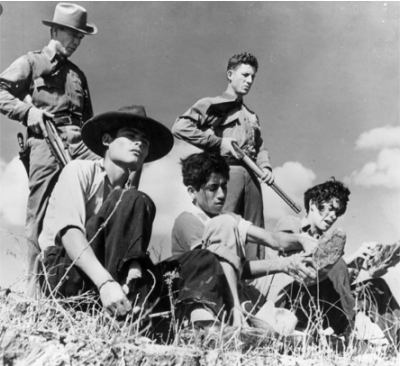
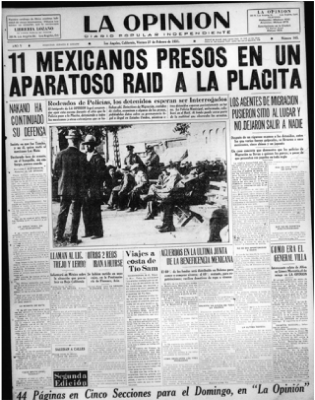
Soon after the stock market crash of 1929 and the resulting Great Depression, the US began deporting “Mexican-looking” people in an effort to alleviate unemployment and welfare rolls and maintain “Jobs for real Americans.” These efforts included coercion tactics leading to “self-deportation” and raids, resulting in relocating Mexican citizens back to their country, and the mistaken deportation over a million US citizens.3


Diego Rivera,  “Detroit Industry Frescos”


Not even 25 years later the US began Operation Wetback (1954), a deportation strategy primarily targeting the Bracero Program (1942-1964). The Bracero Program, a federal program designed to provide necessary male manual labor during World War II, welcomed 4.6 million Mexican workers to the US. Over the years, unsponsored wives and children joined their husbands, as did undocumented brothers, cousin, and friends. Texas’s refusal to participate in the program added to additional undocumented workers. The US launched a campaign of stereotypes and propaganda visualizing Mexicans as child-like to encourage communities to round up for deportation 1.3 million workers and family members, many of them US citizens.4


Dr. Gebelein then used the historical context of this harsh and callous treatment, and creation of policy and laws against Mexicans and Mexican Americans, to draw parallels to current topics of containment and racialization in the United States.


UConn ECE is grateful for Dr. Gebelein’s expertise and willingness to extend her research to her Instructors. She is a shining example of how UConn ECE Faculty Coordinators not only provide academic guidance to their discipline’s UConn ECE courses, but are an invaluable resource in sharing their research and knowledge.


1 summarized from Gebelein presentation
2 quoted from Gebelein presentation
3 according to the research of Joseph Dunn, former CA state senator
4 summarized from Gebelein presentation


ECE American Studies teacher Karon McGovern reflected on the lecture’s impact on her students:


“I teach AMST1201 at New Fairfield High School through the lens of race and gender issues in America spanning the 20th and 21st centuries and, within the context of race, I am constantly striving to recognize the many different people who have been, and continue to be ‘othered’ in our country. I ‘met’ Anne when I attended an UConn ECE professional development session when she delivered a history of the treatment of Latinx people in America. From the title slide, “Mass Deportation” I was captivated, as I use the text Michelle Alexander’s The New Jim Crow, a commentary on mass incarceration in America. I approached Anne to speak at our school, virtually, and she enthusiastically accepted. To say my students were stunned to learn this part of the history of their country, would be an understatement. I feel Anne should do a roadshow around Connecticut schools, delivering this important information, to educate students and beyond, that ‘walls do not a tolerant society make’.”


Dr. Gebelein concluded. “UConn ECE Instructors’ work is more important than ever, in a country in which we have recently seen legislation introduced in multiple states to bar teachers from teaching slavery and from critically theorizing about race. We have to be brave enough to tell the truth about hard history, as it teaches students to recognize the harm that comes from reproducing old ethnic divides, as well as the value of building ethnic coalitions.”

UConn Geoscience: Earth’s Dynamic Planet


By Robert Thorson, Ph.D., Department Head

and Faculty Coordinator, Earth Science


We know that high school and college students are manifestly anxious about the current climate crisis.  But how many also know that Earth isn’t fragile?  That climate comes from underground?  That ecology is only one part of earthly operations?  That radioactive decay keeps our planet habitable?  That petroleum is no less natural than water?  That oxygen was originally an exhaust gas pollutant?  That humanity’s most expensive mistakes involve ignoring the deep time of planetary history? 


NASA Image of Earth from the International Space Station. Reid Weisman, Sept. 4, 2014.


It’s an ongoing and societally expensive tragedy that few U.S. citizens know how the Earth works as the whole pie, rather than pieces carved up into arbitrary disciplines.  Typically, they were taught only nuggets of old-school geology in grades 8-10, rather than the mother lode of new school geoscience that remains undiscovered for most. I call this new school “whole earth environmentalism”, the idea that understanding how the planet works as a beautifully coherent integrated system is a prerequisite to best-practice management of the specific environmental problems that capture media attention.


UConn ECE is now offering an opportunity for students to learn about how it all works with a course that educates and also puts them on a pathway to important careers that will make a difference. 


Meghan Kinkaid, UConn ECE Instructor from CREC’s Academy of Aerospace and Engineering, is a pioneer.  This past year, she was the first instructor in Connecticut to offer UConn’s popular introductory geoscience course Earth’s Dynamic Planet (GSCI 1051). Her students now know that they are “impacted by geosciences daily and that this course gives us an opportunity to make them aware, take interest, and possibly plan a career around it.”


They’ve also learned that good jobs, high salaries, and rewarding careers are increasingly available, given the near-future shortfall of 175,000 geoscientists estimated by the American Geosciences Institute.  Beginning with this UConn course offered through UConn ECE, the vast majority of UConn’s geoscience majors following one of three tracks (Earth, Environmental, Atmosphere) go on to successful scientific careers: mitigating natural hazards, improving risk assessments, restoring landscapes, accessing clean water, obtaining mineral resources, developing geothermal energy resources, science communication, and education.


The other high school teachers in Meghan’s pioneering cohort of UConn ECE-certified instructors—Lewis from the Hartford Magnet Trinity College Academy and both Christopher Tait and Harold Condosta from Ridgefield High School—were ready for takeoff last fall, but the chaos of the Covid-19 pandemic forced their administrations to delay.  Five high schools, including New London High School and Plainfield High School, have certified instructors. Next year, four schools are scheduled to offer GSCI 1051.  With school returning to in-person for the fall, Meghan McNichol (New London High School) quipped, “we won’t have to work twice as hard to accomplish half as much.”


Though Meghan Kinkaid is our pioneer, Kim Glazier, a science teacher from Plainfield, is our visionary. “Going forward,” she wrote, she “would like to see all of our AP classes replaced with ECE options.” AP or Advance Placement courses are those which high school students master content to “test out” of a college course during a grueling three-hour exam, provided the college accepts them, and they get a high score. UConn courses taught through UConn Early College Experience are those where the students experience the actual college course being taught in the comfort of their own school by a familiar teacher being supervised by a caring university or college faculty member. Kim’s vision aligns with our growing awareness that sit-down standardized testing is less accessible to under-represented groups, and less accurately reflects the diversity of approaches needed for STEM science careers. When reviewing the GSCI 1051 course description, Kim realized that UConn’s Earth’s Dynamic Planet “would meet the requirements of our required Integrated Science class and thought it would be awesome to offer a course that can lead to college credits for something the students have to take anyway.”
 

During our inaugural UConn ECE workshop of May 26, 2021, six of us—Meghan, Meghan, Jared, Harold, and me (with Kim included later)—bonded as a team dedicated to increasing the quality of geoscience education in Connecticut high schools. We invite you to join us by reviewing the GSCI 1051 course that unites us and contacting any of us for more information.  As UConn’s ECE Coordinator for Geosciences, I’m a good first contact. I look forward to hearing from you.


Unsourced.


Photos: Finding Joy, Finding Beauty, Finding Purpose.

By Elizabeth Kindt


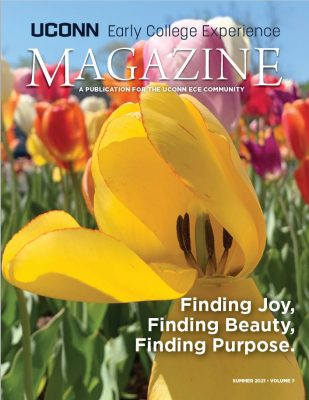
The artist who photographed the cover of this summer’s 2021 UConn ECE Magazine is UConn ECE student Cindy Santiago from New Britain High School. Cindy’s photograph titled “Tulips in the Springtime” was a photo taken during the month of May that reminded her of Copenhagen. In her submission Cindy writes that Copenhagen has, “the prettiest fields full of tulips which is what inspired me to take this photo. I made sure to angle it in a way that makes you look like you’re inside the field in a way.” Congratulations to our cover artist Cindy, and thank you for finding the joy and beauty in our Springtime Submission Contest.

Thanks to all who submitted photos and congratulations to the follow students whose photos appear in within the pages of the magazine:


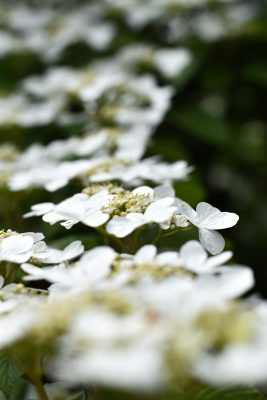
Brian Carson, Seymour High School. The focus within the many. White flowers on the branch of a tree. One is in focus, despite them all being nearly the same, this sole flower is the most beautiful.


Jada Vercosa. Southington High School. Watch sweet magnolias in bloom! Magnolias are a beautiful flowering tree and the blooms are so delicate. The light pink color and petals can be seen where I live and they always make me smile.


Alessandra Sanchez. Montville High School. Pretty Little Thing. Just saw an email about this and I love photography so enjoy 🙂


Janeesa Libanori. E. C. Goodwin Technical High School, Life is like a flower, plant the seeds and watch them bloom. As life begins, the “flower” gets watered and grows. This refers to babies growing up into young adults and as they grow, you watch them bloom. Parents teach their children how to grow up and strive on their own.


Srilekha Kadimi. Amity Regional High School. Live Life In Full Bloom. Fully blossomed magnolia.


School Counselors Leading the Way: Helping to assist students in their school adjustment, academic performance, and mental health in a post-pandemic school setting


By Clewiston Challenger, Ph.D., School Counseling Program,

Neag School of Education


The Centers for Disease Control (CDC) recently issued updated guidelines for schools for the upcoming academic year. They recommend schools to fully open and students to return to in-person learning. The updated guidelines signal a return to a new normal as it pertains to learning in a school building. These recommendations are in contract to those of the pandemic which forced a national lockdown, disrupting students’ learning, and turning homes into classrooms. Though the transition back will not come without challenges, school administrators can ease the transition by utilizing school counselors to advise them on ways to reopen their doors safely and effectively to welcome students back. You see, school counselors and other student support services (i.e. social workers, school nurses, school psychologists, school-based community organizations) are trained to provide counseling services to support students’ mental health, wellness, and personal-social development to increase academic performance. As schools emerge from the effects of the national lockdown due to COVID-19, school counselors are poised to serve as consultants and collaborators who can inform the rebuilding process of the school culture while planning for future crisis.


The opportunity within the opportunity
School counselors are boots on the ground-types of practitioners. These practitioners are usually in the halls, moving about the school, mingling with students and staff, all to be in tune with the school climate. This approach of having boots on the ground, creates roots in the ground by skillfully forming collaborative relationships with students, staff, and families. This type of relationship-building approach can help students—and staff—root themselves back into the school culture to feel welcomed and more involved. Counselors and other student support personnel should focus their efforts on students’ sense of belonging, resiliency, and their motivation towards school and academics. The opportunity has arrived for school counselors to sit at the table with administrators to offer their ideas on how to redesign the school environment and student achievement.


School counselors need to innovate to motivate
Transitioning to remote learning, for many, was cumbersome and inconvenient. Constant adjustments were needed to enable remote instruction to moderately garner student engagement, and school counselors were not exempt from this “clunky” transition. Like other educational professionals, school counselors had little to no guidance on how to effectively provide counseling services virtually. So, as in-person learning returns, school counselors need to creatively think about how to motivate students to return to school. A newly designed comprehensive school counseling curriculum should be school-wide, relevant and responsive, as well as inclusive. One that allows students to feel heard and cared for and stimulates academic engagement. It is also important that turf wars between student support services ends, replacing it with a vision of unified services. School counselors should collaboratively work with other disciplines as futurist planning for potential crises and how to deliver services without delay or disruption.


Putting it into perspective
First, it must be acknowledged that communities of color were deeply impacted by the effects of the pandemic and the lockdown in comparison to their White counterparts. Communities of color saw greater rates of illness, death, and financial hardship due to the COVID-I9 virus and the effects of the lockdown. School counselors would benefit from continuing their education around cultural competency as well as diversity training to successfully serve this population. In addition, school counselors should consider focusing on the noncognitive needs of their students which could lead to positive student adjustment, behavior, retention, and graduation rates in a post-pandemic era. More students having a positive outlook in these areas could lead to higher involvement in the school, community, and their homes.


So, as we return to the classroom in the fall for in-person learning, importance should be placed on providing support for students’ mental health and wellness as they reengage in the traditional learning process. School counselors can use the lessons learned from the pandemic to introduce new ideas to create an engaging and inclusive learning environment. We can agree that COVID-19 has changed the landscape of education and has caused us to consider new ways on how to instruct, counsel, and engage our students. There may be long-lasting traumatic effects from the lockdown and remote learning that could have a negative impact how students and staff return to the in-person setting. Research has shown that students have better academic performance and social interactions with peers when they have stable mental health and their noncognitive needs are met. It would benefit school counselors to prioritize addressing these areas to help students adjust to being in the building again. Additionally, school counselors have the opportunity to take on leadership roles in their schools, district, and community to use their influential voice for their innovative ideas on how to increase student involvement in the school and student motivation. These practitioners are best positioned to efficaciously implement these ambitious initiatives due to their specialized training and skillset, cultural competency, and collaborative approach to student and family service. Counselors, let’s go to work!


Disconnecting in a Connected Society


Nicole Bartlett

Southington High School

LLAS 1190: Introduction to Latin America and the Caribbean


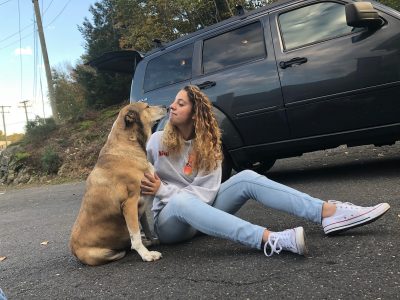
When I need to disconnect from a connected society I spend time volunteering at my local dog pound. I have been a volunteer at the Wolcott Dog Pound for the past 8 years. I enjoy working fundraising events, fostering dogs, and meeting the everyday needs of those dogs who have entered the pound. They have been abused, abandoned and neglected. My goal is to help them trust again, be their voice, and find their forever home.


Olivia Olbrias

Windham Technical High School

HIST 1502: United States History Since 1877


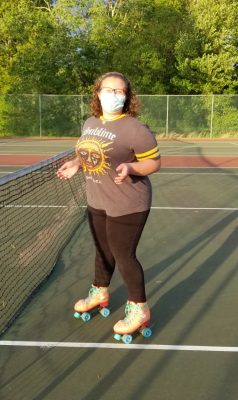
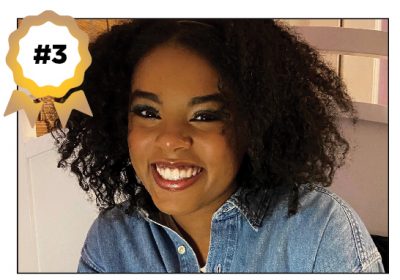
In today’s society we are frequently stuck to our computers because of online classes. After a long day of sitting at my laptop I like to get outside and disconnect for a bit, I tie up my skates and play some music and get active! My picture represents disconnecting by showing a healthy activity that needs no technology at all!


Min Silva

Ledyard High School

ANSC 1602: Behavior and Training of Domestic Animals


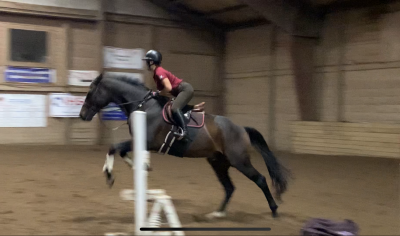
To disconnect from society, I like to ride horses and take in the calmness that they give off.


Alexa Davidson

Sacred Heart Academy

FREN 3250: Global Culture I


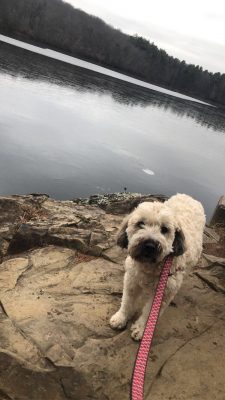
My favorite way to disconnect from technology is by taking my dog on hikes. It is a fun and enjoyable way to spend some time in nature and bond with my fluffy friend!


Cam Begley

Suffield High School

NRE 1000E: Environmental Science


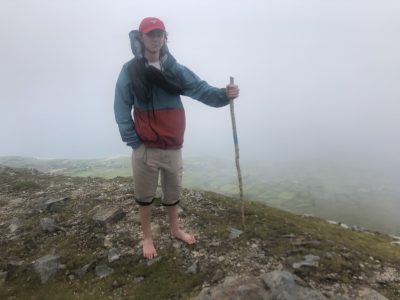
Hiking is a great way to unplug from phones, TVs, and even other people. Instead, you can see, feel, and appreciate the natural beauty of our planet… and it’s that much better barefoot! This picture is of me at the top of Croagh Patrick mountain in Ireland; I climbed it barefoot to participate in the tradition of making a centuries-old pilgrimage to the summit.


Isabella Maglio

Plainfield High School

AMST 1201: Seminar in American Studies


This photo represents disconnecting in a connected society because nature photography is my escape. There is so many beautiful things that the world offers if we were just to take a break from social media and take it all in!

UConn ECE Marine Sciences Symposium


By: Claudia Koerting, UConn ECE Faculty Coordinator, Marine Sciences


The annual Marine Sciences Symposium took place again this year, even though it looked a bit different than in past. The symposium featured student research that has been conducted over the academic year. This year over 80 students from six high schools joined in WebEx to present their work. The students who presented at the symposium are currently enrolled in MARN1003: Introduction to Oceanography with Laboratory or MARN 1001E: The Sea Around Us. The MARN 1003 students demonstrated the true experiential nature of the course by applying the fundamentals of oceanography to their field work and laboratory experiments. In addition, one Marine Science Magnet High School of Southeastern CT student enrolled in MARN 1001E presented on human interactions with the marine environment. The high involvement in this event was a testament to the dedication and creativity of high school teachers and the commitment of their students to find ways to meet and “do” science.


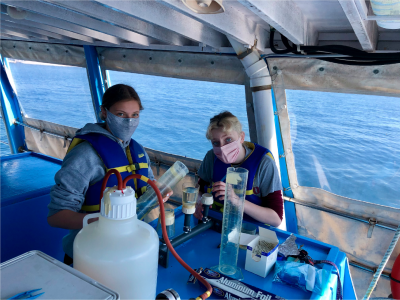
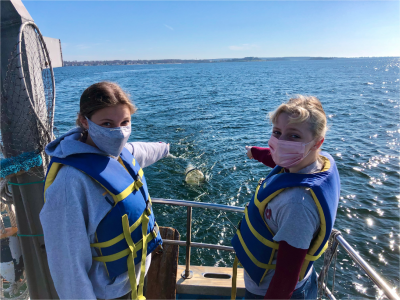
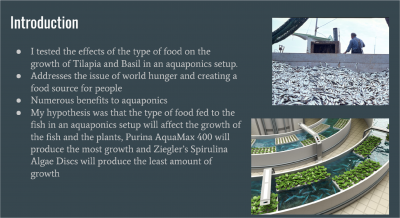
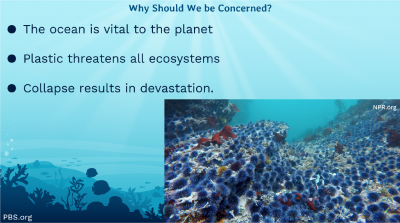
While some teachers, such as Mrs. Emily Lisy from the Morgan School and Mr. Kirk Shadle from The Bridgeport Aquaculture School were able to meet with their students regularly, others had to get creative. There was a presentation on methods for disrupting harmful algal blooms, as well as a study on shark behavior and how to entice bivalves to consume starch based microplastics. The Morgan School took advantage of their proximity to the water and went on field trips to conduct field sampling and analyses on Long Island Sound ecosystem quality. Ledyard High School students conducted thoughtful sampling on the Thames River and the shoreline for microplastics. Even though they had to analyze their samples either at home or safely spaced apart in school, they were still able to yield very interesting and surprising results. Mrs. Laura Francis’ Coginchaug High School students also presented very impressive research in the face of multiple hurdles throughout the year. What do basil and raising tilapia have in common? A Coginchaug High School student can tell you through his sophisticated hydroponics experiment he conducted at home! Lastly, Mrs. Kathy Howard’s student from her MARN1001 course did an outstanding job presenting on the state of plastics in the world’s oceans.


After hearing all the great research that has gone on this year in the morning presentations, the day concluded with Mr. Mike O’Conner’s Waterford High School students who introduced a community service component of their yearlong project with a 20-minute recording. The inspirational project showed students who are working with the town of Waterford to develop signage for Alewife Cove in Waterford. The signage includes information on the ecology of the marsh, its importance, and threats to its existence. Students have also proposed a new kayak launch to help protect the marsh.


This year, presenting a group project virtually at the Symposium made the most of limited time the students could be together. Even with all the obstacles the students faced this year, their work was very impressive. We appreciate the flexibility and willingness of the instructors and students to make this virtual format a success, and we look forward to next year when we can once again spend the day at UConn’s Avery Point campus together!


2021 UConn ECE Scholarship Winners


UConn Early College Experience recognized 10 outstanding UConn ECE Students this year, awarding each a $500 scholarship, which can be used at any institution. Winners are high school seniors, who have taken or are currently taking at least one UConn Early College Experience course and have excelled in the area in which they submitted their project. Learn more about the UConn ECE Student Scholarships on our Scholarships page.


Excellence in the Arts, Humanities, or Social Sciences


Winners demonstrate academic achievement and a potential for future academic and professional accomplishments in a field focusing on the Arts, Humanities, and/or Social Sciences.


Emily Tarinelli

Marine Science Magnet High School of Southeastern CT

Literary analysis essay: Feminism in the Absence of Independent Women


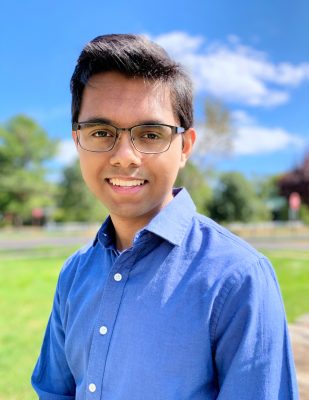
Ayushman Choudhury

Ellington High School

Rhetorically effective argument video: The True Cost of War


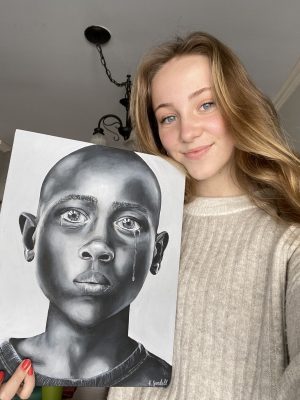
Kiersten Sundell,

Thomaston High School.

Portrait: Am I Next?


Excellence in Science, Technology, Engineering, and Mathematic


Winners demonstrate academic achievement and a potential for future academic and professional accomplishments in the fields of Science, Technology, Engineering, and/or Mathematics.


Conner Larocque

Hamden High School

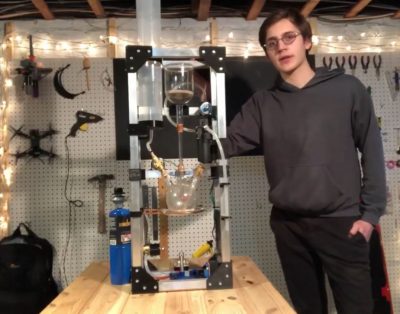
Video: Autonomous Siphon Coffee Machine


Grace Pendleton

The Morgan School

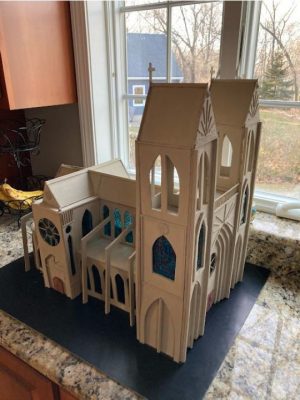
Model: Gothic Cathedral


Emma Bator-Blanchet

Rockville High School

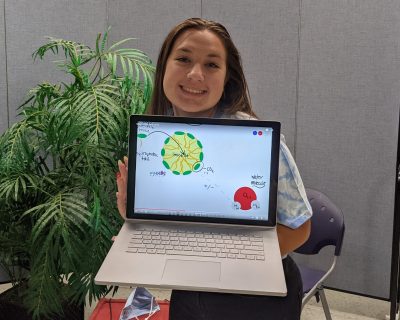
Video: How Soap Kills Coronavirus


Excellence in Civic and Community Engagement


Winners are academically successful, are already making a positive difference in their town or neighborhood, and are inspiring others to do the same. The students chosen for this award must be a UConn ECE Student who demonstrates ambition and self-drive evidenced by outstanding achievement in both school and their community.


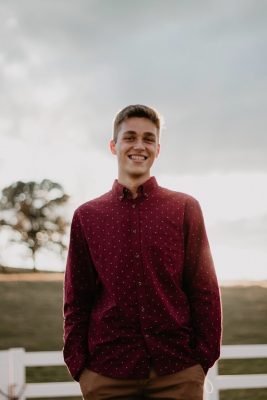
Stephen Duhamel

Montville High School

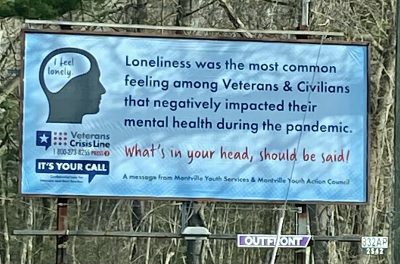
Development and promotion projects that strengthen peer interactions and wellness


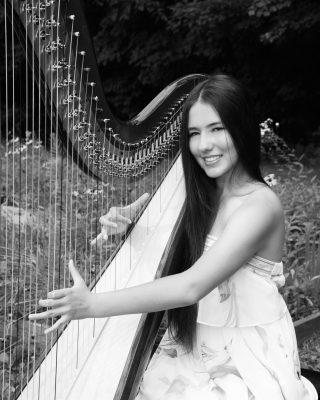
Lindsay Haukom

Edwin O. Smith High School

Quaraconcerts, free virtual harp concerts offered to anyone who wanted happiness and human connection


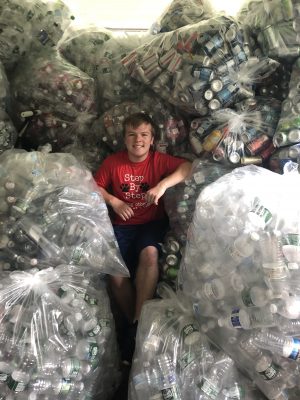
Matthew Keating

Holy Cross High School

Co-founder of Step by Step, a nonprofit organization that helps the less fortunate in the community


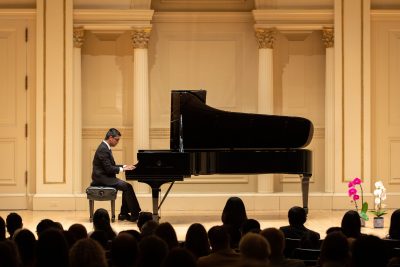
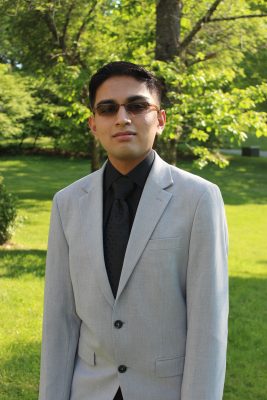
Anirudh Krishnan

Ridgefield High School

Founder of the Ridgefield Music Mentors program


2021 UConn ECE Wallace Stevens Poetry Contest Winners


By Sean Frederick Forbes, PhD

Assistant Professor-in-Residence

Director, Creative Writing Program

UConn English Department


As my fellow judges and I read through the submission packets for this year’s UConn ECE Wallace Stevens Poetry Contest, we were impressed by the varying subjects and topics that students chose to write about. What the three of us discovered was that many of the poems moved us to think about why one chooses to write poetry and what does one hope to convey in poetic verse? We considered why poetry, if not the written word in all genres, matters as we continue to live through a devastating global pandemic. As I write this, I’m reminded of the last two lines of the poem “The Summer Day” by the late Mary Oliver, in which the speaker invites the reader to ponder this direct and undemanding, yet highly philosophical, question: “Tell me, what is it you plan to do / with your one wild and precious life?” If one is a writer, especially a poet, the theme of “Finding Joy, Finding Beauty, Finding Purpose” might very well be an earnest and awe-inspiring response. It’s a theme that best conveys how I’d like to introduce the first, second, and third prize-winning poems, respectively.


<<Text redacted>>


Charlotte Watts’ “After ‘Chinese Satellite’ by Phoebe Bridgers” is an ekphrastic, usually a poem that describes, or is inspired by, or speaks to another work of art, typically visual art, but here we have a poem based on a song by a 2021 Grammy-nominated musician. A reader’s first impulse might be to listen to Bridgers’ song, but the splendor of this poem is in engaging with the images and phrases, and also the myriad narratives Watts creates throughout in lines such as: “maybe I would sleep easier if / there were ufos over my street.”


Zara Williamson’s “To Find God in Me” is a spoken word poem that acts as a homily for a speaker who confronts and analyzes how body image, the mother/daughter relationship, and religion affect a teenage girl’s life. Williamson uses the pivotal refrain “But Momma says” three times in the poem to convey that despite any misunderstandings, tensions, and upheavals that the speaker may have in her teenage life, her mother listens to understand, thus allowing the speaker to write confidently with lines such as: “I talk to the sky sometimes / I imagine She listens with her ears open as my heart / Loud as my voice ringing in the Church bathroom.”


A reader will find joy, beauty, and purpose in these three poems since the personalities and voices of each speaker convey so acutely what it means to live and write in the 21st century.


The 2022 Wallace Stevens Poetry Contest will open in January 2022 and is open to UConn ECE Students in any discipline.Look for e-mail correspondence sent directly to your school.


<<Section redacted>>

after "chinese satellite" by phoebe bridgers

maybe i wouldn't cry like i do

if i thought someone

could hold me close, whisper

the sky was carved, the mountains

whittled, the plains roped out;

all for you.


if they could forgive me

(when i was twelve and my genes were poisonous

fifteen and couldn't look at a boy while i broke his heart

seventeen and speeding serotonin out of myself)

if they could know everything bad in my bones and love me still.


i wish 'want' would turn over easy to 'belief'

but i was never skilled at self-persuasion


maybe i would sleep easier if

there were ufos over my street -

grand government conspiracies or just a lonely cryptid

making his way through a distant forest,

anomaly eyes locked on the same moon.

i want to be made by more than coincidence,

to have some code built within my bones, saying

here is what you do. here is what is all means.

i knew you the whole time.


Biography

Charlotte Watts is an 18 year old writer from Windsor, Connecticut. She has read at Sunken Garden and was a finalist for the 2020 Smith College High School Poetry Award. She is going to Lesley University in the fall to major in Creative Writing.


Context of Poem

As a lifelong agnostic Quaker, my relationship with faith is complex and fluid. In this poem, I wrestle with the emotional consequences of non-belief, as well as the longing to know a higher meaning.


To Find the God in Me


I wear this body like my Sunday morning Church dress

Like this mahogany skin does not sit right on my bones

This hair -- tight coils that dance along my scalp-- fits like a bright pink bonnet

Too tight and too much

But momma says I'm pretty

My reflection looks a lot like stained glass these days

Where my face is a puzzle of pieces that is almost unrecognizable most of the time

But momma says she sees God in me

I suppose these hands are like my Church gloves

Palms white and soft as silk

These are prayer hand s, you see

I talk to the sky sometimes

I imagine She listens with her ears open as my heart

Loud as my voice ringing in the Church bathroom

Asking what I will be

But momma says God hears me

So I earthquake the Church floorboards into pixie dust

Momma, God and I dance on top of clouds and my Church dress fits just right

I peer into the stained glass windows

And my reflection looks like someone I know


Biography

Zara Williamson is a rising senior at Westhill High School and has had a special interest in English and poetry from a young age. Throughout high school, Zara has been involved in various community service programs at Westhill and in Stamford, including her role in organizing a local poetry slam in honor of Juneteenth. She hopes to continue to be involved in the broader Stamford community through her love and involvement in the arts, and wants to thank UCONN for considering her work.


Context of Poem

“To Find the God in Me” explores the stressors of the teenage experience, including the developing and nonlinear journey towards positive self-image. The poem, written from the perspective of a young teenage girl, analyzes the role of religion and motherhood in soothing stressors, specifically that of imposter syndrome and body dysmorphia.

Evolution & Adaptation: Introductory Biology Labs in the Time of SARS-CoV2


By Dr. Christopher Peter Malinoski, Laboratory Manager, Department of Biological Sciences


Adaptation (noun): modification of an organism or its parts that makes it more fit for existence under the conditions of its environment (from Marriam-Webster).


BIOL 1107 is a large introductory course at the University of Connecticut, Storrs campus, servicing nearly 1,300 undergraduates on an annual basis. The course guides students through a rigorous life sciences curriculum delivered through both lecture and laboratory components.


The laboratory portion of the course is focused on teaching both concepts and techniques. Units of lab exercises are offered focusing on various broad topics, like biochemistry, cell physiology, and molecular genetics. Students are also taught to use basic laboratory equipment, like microscopes, spectrophotometers, and pipettes.


I mention this to emphasize that the laboratory curriculum was designed to provide students with an authentic laboratory experience. To say that we were unprepared for the sudden emergence of SARS-CoV2 and the COVID19 pandemic is perhaps an understatement. When the difficult decision was made to offer BIOL 1107 via distance learning during the Fall 2020 semester, I knew that a significant challenge lay ahead.


The Process of Adaptation


The concept of adaptation is a common one in biology. You might as well consider the sudden change from in-person to distance learning labs as a rather radical shift in the learning environment. In a biological sense, then, we were being asked to alter the structure of the laboratory portion of the course to better fit the limitations (and strengths) of this new, online environment. How could we adapt a course designed to provide in-person, hands-on experiences for a fully hands-off format?


I began by searching for existing commercial products. Those that I found varied in approach to the material. Some were essentially online textbooks with inline questions and feedback, whereas others offered simulated virtual lab environments, like sophisticated educational video games. The simulated lab products were technologically impressive, but I had concerns that students might not own computers powerful enough to run the software. Further, while the simulation might provide a good visual representation of a lab exercise – for example, clicking and dragging a micropipette to a given solution – such an activity was really only assessing a student’s ability to arrange the steps of a procedure in the proper order. While this might help the student understand the order of operations, so could an ordering of question-types in our typical Blackboard LMS environment (HuskyCT).


Ultimately, both solutions had a fundamental problem; neither would provide students with the tactile experience and muscle memory that comes from physically working in a laboratory. While I did not – and still do not – have a solution to this problem, I was not convinced that these commercial products offered significant value to the student beyond what we might be able to develop ourselves.


With the support of the faculty instructors for the course, we began to adapt the BIOL 1107 laboratory content to the online-only format ourselves. The general course format was as follows: Teaching Assistants would hold synchronous lab meetings at the regularly scheduled times using the Collaborate video conferencing tool on Blackboard. During these meetings, Teaching Assistants would remotely administer password-protected quizzes and deliver lectures on the relevant lab topics for the week. Students could be split up into smaller break-out groups and tasked with participating in discussion topics relevant to the current exercise. Additionally, on their own time, students are required to read through the exercises in the lab manual and to complete weekly assignments.


I was bolstered in my decision by the fact that the course was not starting from square-one; the BIOL 1107 labs already had a robust online presence in place. In 2015, in conjunction with the eCampus Learning Team and the Center for Excellence in Teaching and Learning, a modern Blackboard site for the laboratory portion of the course was developed. In addition to redesigning the layout of that site for more intuitive navigation, I created student-centric learning objectives for each lab exercise. With the help of several Teaching Assistants from the Department of Molecular and Cell Biology, all the laboratory quizzes were redesigned to fit an online format that students would access in-lab using University-owned tablet computers. Much of these existing resources could be used in the distance-learning lab environment with little to no additional alteration.


We would supplement this online experience with as many additional online resources as we could. In the time since the collaboration with the eCampus team, I spearheaded a project to create introductory background videos covering topics from each lab exercise. Students could watch these videos to supplement the synchronous lectures and being available online meant that students could watch and re-watch the concept videos as needed. With the increased dependence students would have on these videos in the new course format, I tried to incorporate best practices wherever possible. Some videos were edited into 5- to 7-minute segments, and others had to be filmed again.


Next, thanks to the invaluable contributions of the BIOL Lab Services staff, we began the laborious process of planning and filming a series of demonstration videos. These varied from simple equipment tutorial videos to full overviews of performing the laboratory exercises. Staff were able to capture the needed footage using smartphone and tablet cameras over the course of just a few weeks. I then spent several more weeks editing the videos, adding title cards and speeding up sections of the video demonstrating repetitious physical manipulations. For exercises where it made sense, we filmed videos demonstrating experimental results, and we took photographs of samples both before and after the exercises so that students would be able to interpret experimental results for themselves.


To once again address the elephant in the room, these demonstration videos are not a 1:1 replacement for the traditional BIOL 1107 laboratory experience. Obviously, watching a video of equipment being used does not create the same type of muscle memory gained by physically working in the laboratory. However, to put this in another context, if I were going to try to change the brakes in my car – I will be the first to admit that I am not mechanically inclined – would I rather try to do so on my own, or with the assistance of a YouTube tutorial video? For many visually oriented learners, seeing the laboratory equipment being properly used in a video can be a valuable supplement to the experimental protocol written in the lab manual.


The Evolution of a Course


As I said up front, reconsidering the BIOL 1107 laboratory experience in the face of the pandemic was a significant challenge. However, it was important to realize that it was also an opportunity. How could we best utilize the strengths of the new course modality? What skills could we teach that would be equally as valuable and better suited to the online format? (The question is meant to be rhetorical, but the answer in our case was renewed focus on the principles of the scientific method and on scientific writing skills.)


These types of compromises were necessary in adapting the BIOL 1107 laboratories to the distance-learning modality, and I would like to emphasize that these were not easy choices to make. I think the following sentiments are ones that many educators will identify with: the prior course design was not broken, and years of iteration had resulted in the what we considered to be the very best laboratory experience that we could offer. At many times during the adaptation process I felt as though we were being forced to leave behind some of the best and most valuable parts of the student experience. I could not shake the feeling that I was somehow betraying the natural evolution of the course.


However, I realized that I was making a fundamental mistake in my understanding of evolution. Anyone that has taught evolution knows that it is a common misconception, the idea that evolution results in organisms that are perfectly adapted to a given environment. But that’s not how evolution works. Evolution’s dirty secret is that it often only results in solutions that work well enough. To adapt to the pandemic environment, the BIOL 1107 laboratory experience would need to be different by necessity. The experience might not be perfect, but it would be different.


And it would work.

Principal Confidential–People, Places, & Pedagogy


Crosby High School, Waterbury
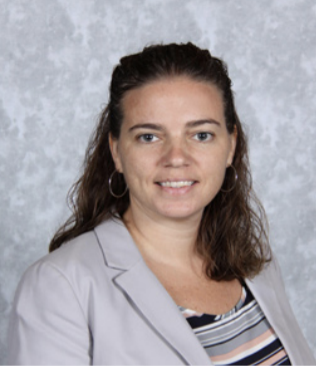
Cathleen Newmark, Interim Principal

“Crosby High School is an urban school in the City of Waterbury. It serves 1,220 students and has a staff of 140. The demographics of the student populations are: 733 Hispanic, 303 African American, 135 White, 20 Asian, 17 two or more race categories and 12 American Indian.”


J.M. Wright Technical High School, Stamford
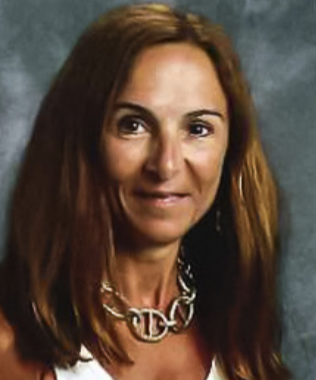
Phyllis Bartoli, Principal
“There are 450 students who are currently enrolled at J.M. Wright Technical High School. Our students primarily come from Stamford; however, other communities represented are Greenwich, Norwalk, Wilton, Westport, Darien, Fairfield, and Bridgeport. There are 9 trades (Automotive Technology, Carpentry, Culinary Arts, Digital Media, Electrical, Health Technology, Hospitality Management, Information Technology, and Plumbing & Heating), each with 2 instructors. On the academic side, there are 20 teachers.”
 

The Woodstock Academy, Woodstock
Christopher Sandford, Head of School
“The Woodstock Academy is an independent “Town Academy” which was founded in 1801. There are only 22 Town Academies in the United States and three of them are in Connecticut. The majority of our day students come from six of our nearby towns. In addition, we have day students from the local area who pay tuition to attend along with up to 200 students who enroll through our boarding program. This boarding environment attracts students from all around the country and the world. In total, we have about 1,100 students in grades 9-13. While our school sits in a very rural area in northeast Connecticut, we have students in our boarding community who come from more diverse areas all over the world.”


Xavier High School, Middletown

Brendan Donohue, Principal
“Xavier High School is an all-boys, Catholic, College Prep school located in Middletown, Connecticut. We are co-sponsored by the Xaverian Brothers and the Diocese of Norwich. We have 662 students enrolled in grades 9-12. We have 55 full- and part-time teaching faculty.”


Principal Confidential–People, Places, & Pedagogy

By Brian A. Boecherer


They say, tough times make for resilient people. If so, we are in a period of reinforcing our resilience and as a result we have become and will even still become stronger and wiser. What have we learned in 2020 that challenges and also reinforces our previous thinking and what will we carry with us into the future? As the pandemic rages on, most of us are still trying just to manage the current situation. Instructors are thinking about which parts of their curriculum can be restructured to fit a new course pace and how to offer compassionate assessments that suit the moment, but still require students to deeply engage. Principals are thinking about their students as well, along with district mandates; the health, well-being, and obligations of their teachers; and their high school as a cohesive society. This became clear from my interviews with four UConn ECE high school principals [introduced to the left]. They are thinking about the people, the place, and the pedagogy.
These four high schools show four very different spaces and highlight unique situations as well as some important similarities. To set the scene, all four schools have different demands based on whether their students are mostly onsite, mostly remote, and somewhere in between. The students who attend Xavier High School are mostly in-person, with a small percentage of students opting for distance learning. The Woodstock Academy, on the other hand, has gone completely remote, although they have a residential student population to consider as well. Crosby and Wright Tech are hybrid, with the majority of their students at a distance, but about a third of their students are on campus at any given time.


How does structure influence teaching and learning?

Cathi Newmark, Crosby High School: “Waterbury Public Schools is in a hybrid learning model. ALL students and their families were given the option to choose to attend school in-person or enroll in the district’s Virtual Academy. At Crosby, ALL students (in-person and virtual) participate in synchronous learning every day from 7:20 to 11:20 a.m., with an additional 80-minutes of asynchronous learning when they return home. In addition, all students and families are afforded the opportunity to meet with teachers from 1:25-2:00 p.m. for additional individual/small group assistance.”


Phyllis Bartoli, J. M. Wright Technical High School: “Because students at J.M. Wright Technical High School manage two programs – trade and academic – they operate on two-week cycles. On their academic cycle, students have been divided into two groups (virtual/in-school) [to de-densify the building]. There are approximately 33% of students on campus daily. There are about four students per class, and they travel in cohorts. Teachers have designed their classroom so that students are sitting six feet apart. On the trade side, all students stay in their shop except for lunch. There is very limited hallway “traffic”. It is the students’ responsibility to recognize when they are to be on campus and when they are to access their academic program from home. Even with this model, [with all students and instructors wearing masks] there are families who have opted to do their learning completely virtually.”
Chris Sandford, The Woodstock Academy: “About six years ago we started a one-to-one program where every student has been given an iPad. This initiative has been a game changer in terms of technology, equity and shifting our overall pedagogy throughout the entire school. It has led to new courses being created or courses being restructured in almost every department which has expanded our ability to meet our mission as an institution.


“Also, we have offered online classes in the evening for those students who may find those type of classes better suited for their schedule. We have eliminated snow days to provide a continuous educational experience that limits the movement of commencement. Right now, we are considering shifting our weekly schedule to one that has only four in-person days each week. This might be a way for students to become more familiar with the virtual format they will undoubtedly see in college, while providing more valuable and precious professional development time for staff.”
Brendon Donohue, Xavier High School: “Normally, Xavier has a seven-period day; 45-minute periods. This year we returned fully in person with a small percentage of students choosing to learn remotely due to family medical reasons. As part of our reopening plan, we reduced the number of classes per day and lengthened the periods. We now have five-periods a day [with] 60-minute classes. This was done in large part to minimize the number of times students are passing through the hallways. Of course, we have many other protocols in place that I am sure are universal in other schools. Designated dining areas [with plexiglass], directional signals in hallways, one-way stair wells, hand sanitizer in every room and in common areas, no lockers, etc.”


What is the most difficult part of managing a high school during COVID-19?


Cathi Newmark, Crosby High School: “Students have varying responses to this new way of learning. Some are more comfortable and prefer learning at home, sharing a greater ability to focus with less distractions in place, while others miss the routine and social interaction of the traditional school day. They have all demonstrated resilience and an admirable ability to adapt to the pandemic and the uncertain times we are all navigating through together.
“While we recently had a change in administration at Crosby, the staff continues to navigate the challenges of teaching and supporting students during a pandemic with resilience. The faculty has stepped up and they offer each other support and guidance where and when they see the need. They share teaching tips with each other on our new platform, ParentSquare, which is a communication tool our district launched this year. They support each other emotionally and have demonstrated empathy and understanding when challenges arise.”
Phyllis Bartoli, J.M. Wright Technical High School: “What’s most difficult is that the schedule changes daily. It is imperative to communicate the schedule on a weekly basis to families, students, and staff. Students are managing as well as possible. To establish consistency, online norms were created: Video on; Audio off, unless speaking; Arrive to class on time; Follow their schedule; Check their email; and Dress appropriately, preferably in uniform. Faculty are having a difficult time with hybrid teaching, namely, there are only a few students in their class and the rest of the class is virtual. Web cams were donated by the Parent Faculty Organization (PFO) to enhance video clarity. They feel, overall, comfortable with the way administration has managed the schedules and students. Communication is extremely important, so weekly staff update meetings have been scheduled.”


Chris Sandford, The Woodstock Academy: “Our largest challenge rests with meeting the social and emotional needs of our staff and students. Both our school goal and many of our Board of Trustee’s goals for this year were created with this focus. Fortunately, we have had very few issues with technology, but with our community so spread out and diverse, we are always concerned about the isolation of our students and staff.”
Brendan Donohue, Xavier High School: “A key characteristic of Xaverian education is “enduring personal relationships”. This is a hallmark of the Xaverian Brothers who have always had a presence at Xavier and who sponsor the school though the Xaverian Brothers Sponsored Schools network. Throughout the pandemic it has been hard to conduct many of our programs in the same manner that we typically do. This has hampered our ability to interact with our students in the manner we are accustomed to. Of course, it is also difficult to maintain these relationships with those students learning remotely. The freshmen are of particular concern.”


What is the biggest silver lining in teaching and learning that came from the pandemic?


Cathi Newmark, Crosby High School: “One of the greatest milestones we have achieved as a district is the increased access to technology for our students. The bar has been raised for educators and students to utilize technology to improve instructional practices and student assessment while using various online tools and platforms. This year, teachers have been afforded a wealth of professional learning time (daily) and have been using this time to focus on SEL [Social and Emotional Learning] practices, engaging students in the hybrid learning model and gaining certifications in the areas of Google and Kami as tools to guide their instruction.


“We have a very active Positive Behavior Intervention and Support (PBIS) team that acknowledges and rewards both staff and students on a regular basis. We recognize that this is a difficult time for all of us and have increased our efforts to boost morale among our students and staff. Some of the initiatives that have taken place include sending handwritten postcards to all students and staff that are currently learning/teaching virtually and a FALLOWEEN celebration where we distributed treats to all students as they exited the building. We have implemented a walking club during our lunch block to encourage healthy practices and camaraderie amongst our staff. We promote FineArt Fridays and Music Mondays on our social media platforms where we post Crosby student pieces. We also announce an SEL quote of the day during our student-led morning announcements.”


Phyllis Bartoli, J.M. Wright Technical High School: “Wednesday is now a virtual day for students. They also operate on an early dismissal schedule. While teachers are on campus, the teaching portion of the day ends at 11:30am. They can have lunch delivered to the high school or step out. They then can use the rest of the day for collaboration and planning.”


Chris Sandford, The Woodstock Academy: “While it has been a struggle, I can say that I have never been prouder of the individuals that work and study at The Academy. This has not been easy on anyone, but what I have seen from adults and students has been nothing short of inspiring. Sitting with students in the boarding community around a fire pit and just chatting about how things will be different after the pandemic, or meeting with students (virtually) as they advocate for social justice issues, or hearing how people have coped while struggling with sick parents or family members (or their own sickness), has brought some important things into focus this year. Even though we have been forced to distance ourselves, we have never been more connected together.”

Brendan Donohue, Xavier High School: “People are resilient and innovative. They rally around each other in difficult times. That has been the greatest takeaway for us here at Xavier. Because of the pandemic, everyone has been forced to try new things. We have had to learn new ways to educate. Many of us find this very uncomfortable. I have watched our faculty and staff and students roll up their sleeves and figure it out. When this is all over, there will be many things that we will be glad to see go, but there will also be things we retain because the challenge has made us better – better educators and students, better people. I am eager to see what a Xavier education looks like in the future because of this. Some things will always stay the same – academic excellence, enduring personal relationships, a strong moral foundation rooted in Catholic Social Teaching and Xaverian values. How we do things might look a bit different because of this experience. The Xavier community will be better because of this pandemic.”