By Carissa Rutkauskas
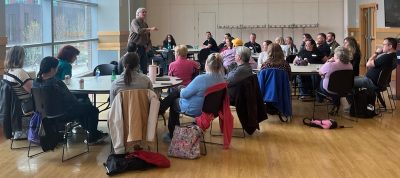
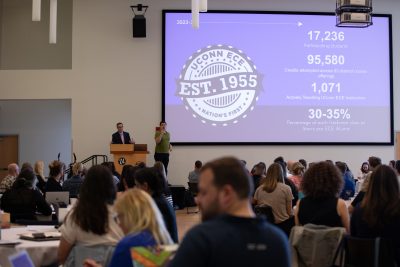
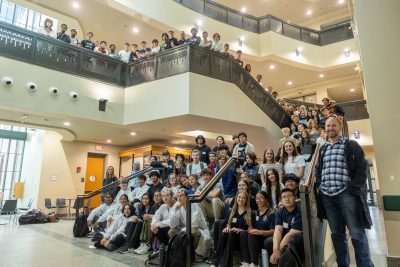
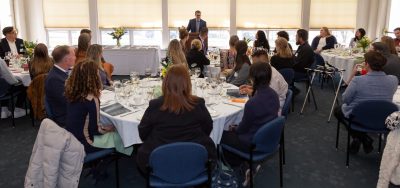
 The University of Connecticut Early College Experience Program hosted the 2024 New England Alliance of Concurrent Enrollment Partnerships (NEACEP) annual conference on Friday, May 17, 2024 in the UConn Student Union. Approximately one-hundred dual/ concurrent enrollment and early college professionals and advocates from Connecticut, Maine, Massachusetts, New Hampshire, Rhode Island, Vermont, as well as several experts from outside of New England were in attendance. The event was kicked off by a warm welcome by Kari Suderley, NEACEP President/ Director of Early College Programs, University of Maine and Dr. Amit Savkar, Interim Associate Vice Provost CETL, University of Connecticut.
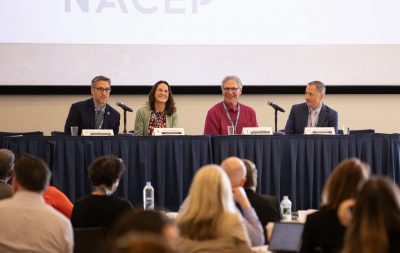
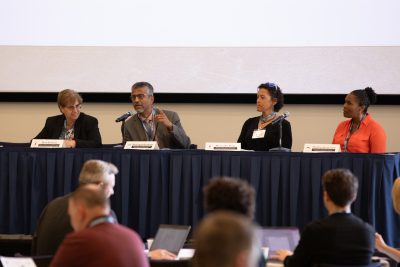
During the Plenary Session, participants had the opportunity to hear from six program directors, a school superintendent, and a state chief performance officer as they offered insights into the landscape of dual and concurrent enrollment programs in their respective states. The panel highlighted key aspects of their programs such as program structure, partnerships, goals, achievements, and advancements, sparking further discussion and idea sharing from the audience.
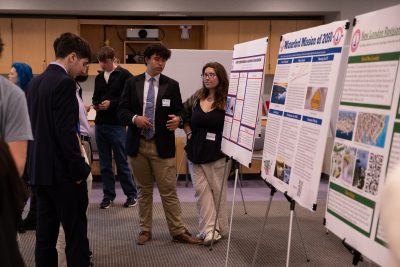
A total of 14 breakout sessions were featured throughout the day, covering various aspects of early college programs, research, equity, policy, and support resources. Topics ranged from 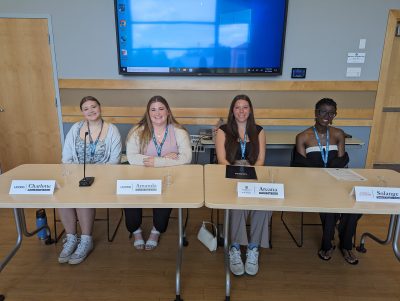 stakeholder perspectives on research, alumni insights, collaborative initiatives for improving early college access, and disrupting racist systems to promote student success. Sessions also delved into advanced course patterns, educator pathways, dual enrollment policies, diverse learning landscapes, career pathways advising, support for multilingual students, recognition in early college programs, targeted support for trade occupations, and a comprehensive look at Connecticut State Community College’s early college programs. The conference concluded with closing remarks from Kari Suderley, door prizes, and the distribution of certificates. Participants left with valuable insights and a growing network of connections in the field.
Special thanks to the following partners for participating in the Plenary Session:
- Christopher Todd, Executive Director, Office of Early College Programs, University of Connecticut
- Salvatore Menzo, EdD, Superintendent of Goodwin University Magnet Schools
- Ajit Gopalakrishnan, Chief Performance Officer, Connecticut State Department of Education
- Beth Doiron, Director of College Access and NHED Programs & Initiatives Community College System of New Hampshire
- Jerry Appell, Early College Coordinator, River Valley Community College -Community College System of New Hampshire
- Amy Hubbard, Executive Director of Early College, University of Maine System
- Mercedes Pour, Director of College Access and Secondary Partnerships, Maine Community College System
- Phylitia Jamerson, Executive Director of Early College, Commonwealth of Massachusetts, Department of Education
Explore a complete list of topics, presenters, and slides on the NEACEP conference website.












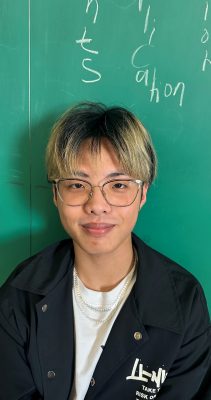


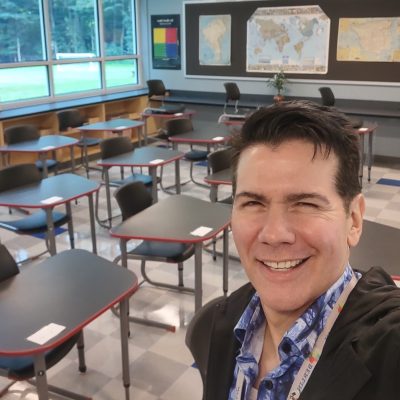 Conversation: Cultural Topics, since 2012. His unique gift to ECE classrooms was bringing alive the language, culture, and history through his storytelling based on his extensive travel experiences in the Hispanic and Portuguese worlds, and his Chilean heritage. In his retirement, Mr. Lewis will move on to his third career teaching Buddhist philosophy and practice, and eventually living part time in the White Mountains and in Chile.
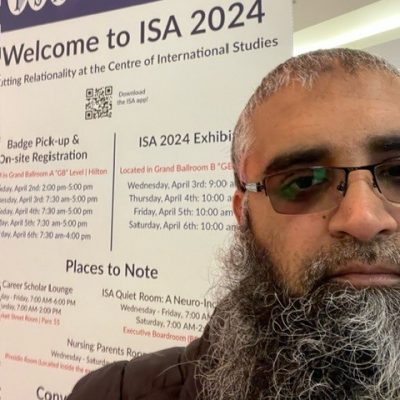 International Studies Association Annual Conference in San Francisco, CA in April, where he presented a research paper on Nationalism and identities in South Asia, an article version of his dissertation. He also co-presented on forming national identities, mass culture, and land rights. Dr. Rafiq was able to attend several sessions, including foreign policies, using role theory and Arab Spring 2.0, and civil war research.
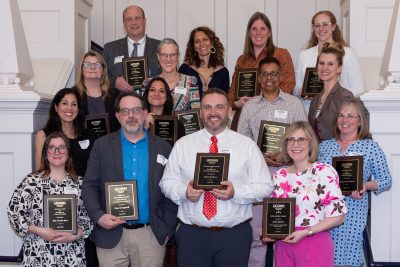
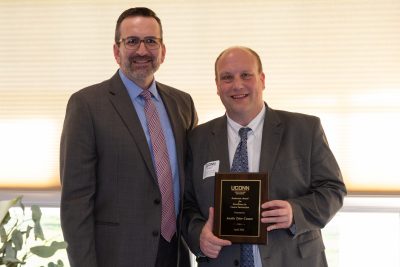
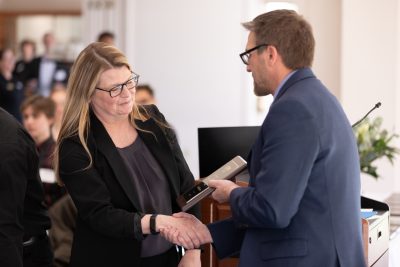
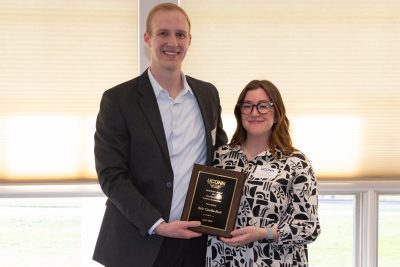
 ear we had the great honor to recognize thirteen Professional Recognition Award winners along with six award winners of the Silver Jubilee Award (25-year partners). The night was filled with heartfelt speeches, tears of joy, laughter, and celebration as winners, accompanied by their family and friends were able to pause and acknowledge the great impact they have on the lives of their students, their community, and those who work alongside them.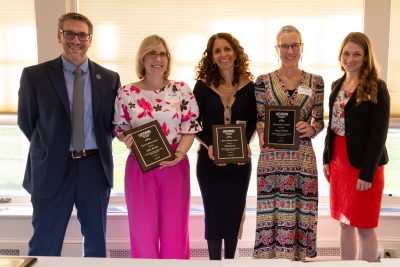









 UConn ECE Faculty Coordinators from Spanish, Profs. Gustavo Nanclares and Eduardo Urios-Aparisi met with more than 60 Spanish Instructors to listen to Prof. Maria Acosta Cruz, Professor of Spanish in the Language, Literature & Culture Dept at Clark University. Prof. Acosta shared her talk “Ecocrítica, cultura y nación: La cultura puertorriqueña a través de cinco siglos” (“Ecocriticism, Culture, and Nation: Puerto Rican Culture Through Five Centuries”) with the teachers.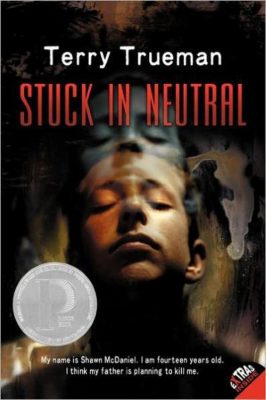
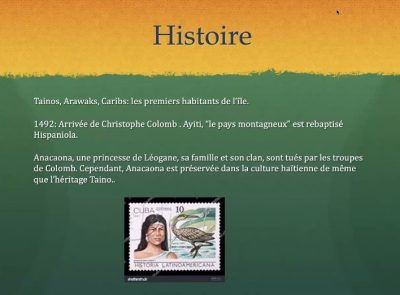 UConn ECE Faculty Coordinator from French, Prof. Florence Marsal met with 30 UConn ECE certified French Instructors to hear from Joëlle Vitiello, Professor of French and Francophone Studies at Macalester College for her talk “Enseigner les trésors d’Haïti” (“Teaching the Treasures of Haiti”). In addition, Mary Catherine Decoteau, Career Consultant from UConn’s Career Services, spoke to teachers about enhancing and highlighting career competencies in UConn French courses.